Introduction: The Growing Demand for Bio-Based Marine Fuel Additives
As the global shipping industry accelerates its transition toward IMO-compliant and low-carbon marine fuels, fuel formulators and ship operators are actively seeking bio-based marine fuel additives that can improve performance without requiring major infrastructure changes.
Among emerging renewable solutions, cardanol in marine fuel oil has gained increasing attention. Derived from cashew nut shell liquid (CNSL), cardanol offers a rare combination of fuel compatibility, multifunctional performance, and sustainability, making it a promising additive for modern marine fuels such as VLSFO and blended fuel oils.
This article provides a comprehensive analysis of cardanol as a marine fuel additive, its technical functions, and how advanced cardanol-based solutions can support the maritime industry’s decarbonization goals.
Table of Contents
What Is Cardanol? A Renewable Chemical for Marine Fuel Applications
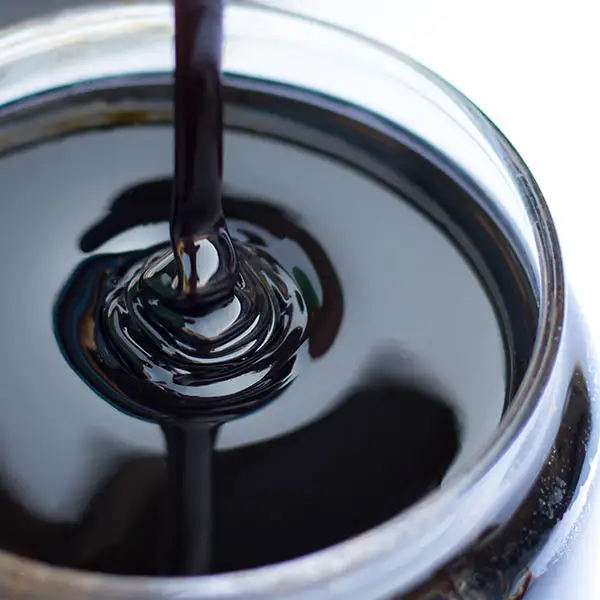
Cardanol is a bio-based phenolic compound obtained from CNSL, a non-food agricultural by-product. Structurally, it consists of a phenolic hydroxyl group attached to a long C15 alkyl chain, giving it both polar and hydrocarbon-like properties.
This dual nature makes cardanol highly suitable for marine fuel oil formulations, where compatibility with heavy hydrocarbons is essential.
Key Properties Supporting Marine Fuel Performance
High boiling point, suitable for HFO and VLSFO
Strong surface activity for lubricity improvement
Natural antioxidant behavior
Excellent solubility in aromatic fuel systems
Renewable and low-carbon origin
Challenges in Modern Marine Fuel Oils
With the enforcement of IMO 2020 and the widespread adoption of Very Low Sulfur Fuel Oil (VLSFO), marine fuels face several persistent issues:
Reduced Lubricity
Deep desulfurization removes naturally lubricating compounds, increasing wear risks in fuel pumps and injection systems.
Oxidative Instability
Blended fuels containing cracked components are more susceptible to oxidation, sludge formation, and sedimentation.
Fuel Compatibility Risks
Frequent fuel switching and multi-source bunkering raise the likelihood of asphaltene precipitation and filter blockage.
These challenges have driven demand for multifunctional marine fuel additives—a role where cardanol performs exceptionally well.
Functional Benefits of Cardanol in Marine Fuel Oil
1. Cardanol as a Marine Fuel Lubricity Improver
Cardanol molecules adsorb strongly onto metal surfaces, forming a protective lubricating film that reduces metal-to-metal contact.
Key benefits:
Reduced fuel pump and injector wear
Improved operational reliability
Extended equipment service life
As a natural lubricity improver, cardanol offers performance comparable to synthetic additives while supporting renewable fuel strategies.
2. Antioxidant and Fuel Stability Enhancement
The phenolic structure of cardanol enables it to act as a radical scavenger, slowing oxidative degradation in marine fuels.
This is particularly important for:
VLSFO
Hybrid bio-marine fuels
Long-term fuel storage
Benefits include reduced sludge formation, improved thermal stability, and more consistent combustion behavior.
3. Improved Fuel Compatibility and Asphaltene Control
Due to its amphiphilic character, cardanol helps stabilize heavy aromatic fractions and disperse asphaltenes.
As a bio-based marine fuel additive, cardanol contributes to lifecycle carbon reduction without altering engine systems.
Sustainability advantages include:
Renewable, non-food biomass origin
Lower well-to-wake carbon footprint
Alignment with ESG and decarbonization targets
Positive regulatory perception in sustainable fuel frameworks
Cardanol is increasingly viewed as a bridge solution between conventional marine fuels and future zero-carbon alternatives.
Our Company’s Cardanol-Based Marine Fuel Solution
At Our Company, we specialize in the development and supply of high-purity cardanol and cardanol-based marine fuel additives designed specifically for modern shipping fuel systems.
What Makes Our Solution Different
Optimized molecular consistency for stable performance in VLSFO and HFO
Proven effectiveness as a marine fuel lubricity improver and antioxidant
Excellent compatibility with existing marine fuel infrastructure
Flexible formulation support for fuel blenders and additive companies
Our cardanol solutions are engineered to help fuel suppliers and ship operators:
Meet IMO compliance requirements
Improve fuel stability and engine protection
Integrate renewable content without operational risk
Whether used as a standalone bio-based additive or as part of a customized fuel formulation, our products enable a practical and scalable approach to greener marine fuels.
[Image: Industrial application of cardanol-based additives in marine fuel blending]
Conclusion: Cardanol as a Strategic Additive for the Future of Shipping
The application of cardanol in marine fuel oil offers a rare balance of technical performance, sustainability, and commercial feasibility.
As regulations tighten and the shipping industry seeks immediate, low-risk solutions, cardanol-based marine fuel additives represent a smart and scalable pathway toward cleaner, more reliable marine fuel systems.
For companies committed to sustainable shipping, cardanol is not just an additive—it is a strategic enabler of the maritime energy transition.